
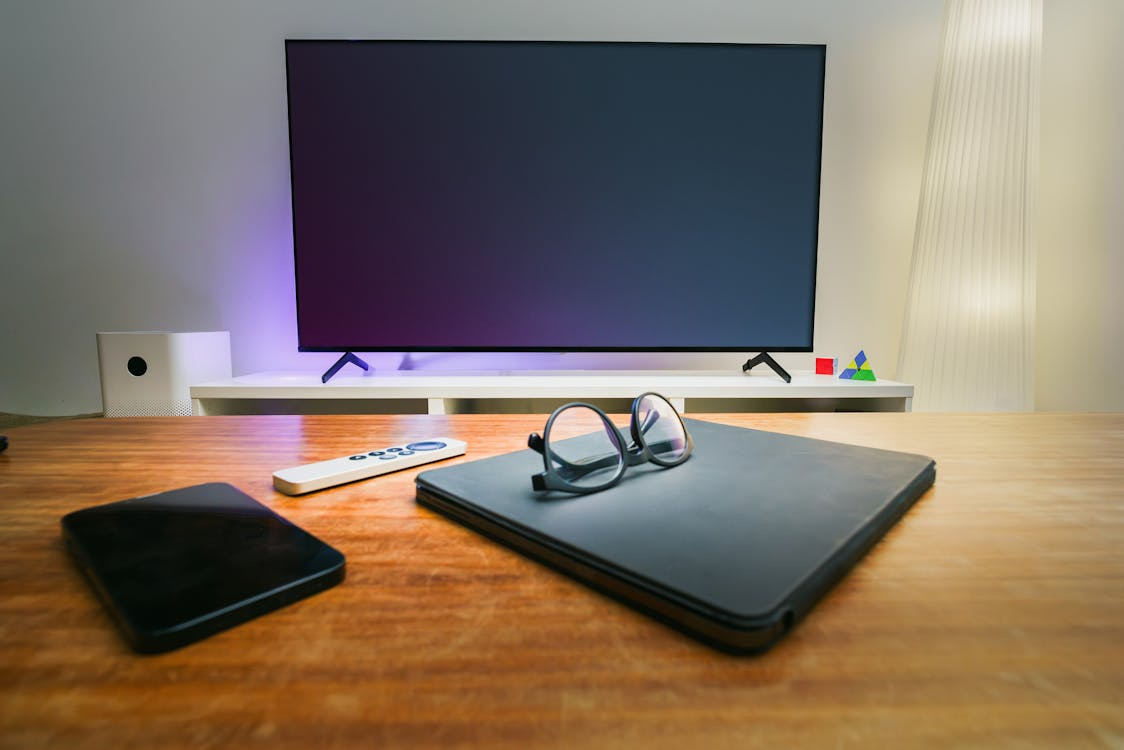
The real question in the smart TV vs streaming device comparison is not just about the upfront price. It is about performance, longevity, and how often you end up replacing or upgrading your setup.
When setting up a home entertainment system, most people face a choice between relying on a smart TV’s built-in apps or adding a separate streaming device. At first glance, a smart TV seems like the more economical option. Everything is built in, and there is no extra hardware to buy. But over time, the cost equation can shift.
The Upfront Cost Difference
Smart TVs include streaming capabilities as part of the purchase price. You pay more initially for the TV, but you do not need to buy a separate device right away.
Streaming devices, on the other hand, are relatively inexpensive. Many options fall in the $30 to $100 range. This makes them an easy add-on, even if you already own a smart TV.
At the beginning, the smart TV appears simpler. One purchase, one setup, and you are ready to go. But the upfront convenience does not always translate into long-term savings.
See The Best Budget Streaming Setups Under $50/Month before buying extra hardware.
Performance and Speed Over Time
One of the biggest differences between smart TVs and streaming devices is how they perform after a few years. Smart TVs often slow down as apps update and require more processing power.
Manufacturers may stop supporting older models, which can lead to outdated apps or missing features. This can make the built-in experience frustrating over time.
Streaming devices are designed to stay current. When performance starts to lag, replacing the device is relatively inexpensive compared to replacing an entire TV.
This makes streaming devices more adaptable. You can upgrade your experience without making a major purchase.
Software Updates and App Availability
Smart TVs rely on the manufacturer for software updates. Once support ends, you may lose access to newer apps or updates to existing ones.
Streaming devices typically receive more consistent updates. This keeps apps functioning properly and ensures compatibility with new features.
App availability can also differ. Some platforms prioritize streaming devices over built-in TV apps, which can lead to a better overall experience.
Over time, this difference can affect how often you feel the need to upgrade your setup.
Compare Streaming vs Digital Rentals: When to Pay Per View before buying hardware for one title.
Long-Term Replacement Costs
The biggest cost factor is replacement. If your smart TV becomes outdated or slow, replacing it is a significant expense.
With a streaming device, you can extend your TV’s lifespan by upgrading only the device. This allows you to keep using your existing screen while improving performance.
For example, replacing a $50 streaming device every few years is far less expensive than replacing a $500 or $1,000 TV.
This flexibility is where streaming devices often provide better long-term value.
Learn Budgeting for Entertainment Without Cutting Everything to plan upgrades without overspending.
User Experience and Convenience
Smart TVs offer a clean, integrated experience. Everything is accessible through a single interface, with no need for additional remotes or inputs.
Streaming devices add a small layer of complexity, but they often deliver a smoother and faster interface. Navigation tends to be more responsive, and features are updated more frequently.
For many users, the improved performance outweighs the slight inconvenience of using an external device.
A better experience can also reduce frustration, which has its own value over time.
Energy Use and Efficiency
Smart TVs and streaming devices both consume power, but the difference is usually minimal compared to other household electronics.
Streaming devices are generally energy-efficient, and their impact on your electricity bill is small. Smart TVs may use slightly more power overall, especially larger models.
While energy costs are not a major factor in this decision, they can contribute to the total cost over many years.
The difference is minor, but it is part of the overall picture.
Which Option Saves More Long-Term?
Streaming devices often provide better long-term savings because they are easier and cheaper to upgrade. They extend your TV’s lifespan and keep your setup current without requiring a full replacement.
Smart TVs offer convenience up front, but their built-in features can become outdated more quickly. This can lead to earlier replacement or the need to add a streaming device anyway.
The most cost-effective approach is often a combination. Use a smart TV for its display and basic features, and rely on a streaming device for performance and updates.
This setup gives you flexibility while controlling long-term costs.
At a broader level, this decision reflects a shift toward modular solutions. When systems are easier to upgrade and adjust, they reduce both cost and complexity over time.
Choosing between a smart TV and a streaming device is not just about what works today. It is about what will continue to work efficiently in the years ahead. When you factor in upgrades and longevity, streaming devices often come out ahead.
Explore Streaming Hacks That Actually Save Money (Not Just Time) for smarter setup choices.