
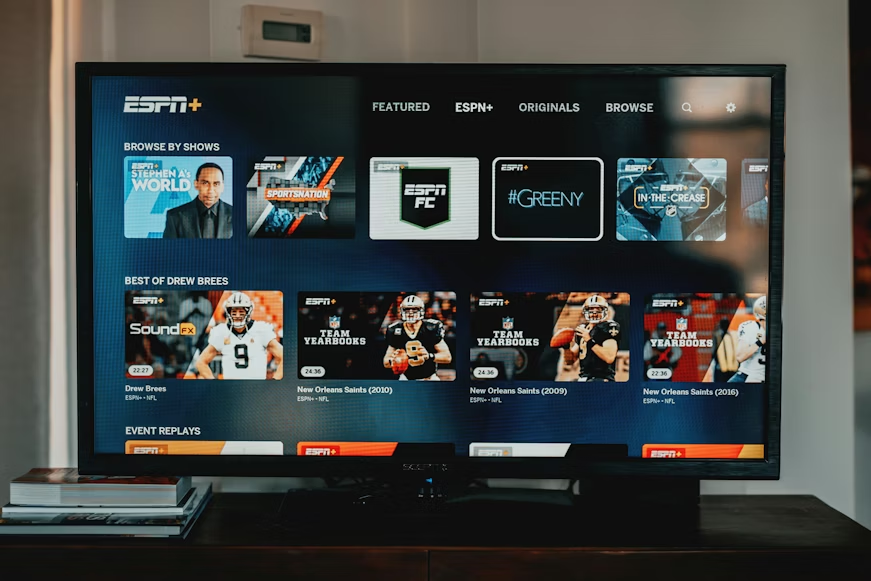
A side-by-side live TV streaming vs cable comparison reveals that both options can be effective, depending on how you watch and what you prioritize.
Live TV is one of the last areas where cable has held its ground. Sports, news, and real-time events still draw viewers who want instant access without delays. But live TV streaming services have grown rapidly, offering similar content with more flexibility. The question is no longer whether streaming can replace cable, but whether it actually delivers better value.
Pricing: Simple vs Layered Costs
Traditional cable typically starts with a base package, then adds fees for equipment, regional sports, broadcast surcharges, and taxes. What looks like an $80 plan can quickly exceed $110 per month.
Live TV streaming services advertise cleaner pricing, often in the $60-$80 range. While this appears lower, the base package may not include everything. Add-ons for premium channels, sports, or additional streams can push the total closer to cable pricing.
The difference is visibility. Streaming costs are easier to track up front, while cable costs tend to increase after sign-up. However, both can reach similar totals if you are not careful.
See Hidden Fees in Cable and Streaming Bundles before comparing your monthly cost.
Channels and Content Availability
Cable offers a broad channel lineup in one place. You get a wide range of networks, including local channels, sports, and specialty programming, without needing to piece things together.
Live TV streaming services provide many of the same channels, but availability can vary by provider and region. Some services include local channels, while others require additional subscriptions or antennas.
Sports coverage is a key factor. Cable often has more consistent access to regional sports networks, while streaming services may offer partial coverage depending on licensing agreements.
For viewers who want everything in one place, cable still has an advantage. For those who are selective about what they watch, streaming can cover most needs.
Compare Cheapest Ways to Watch Live Sports Without Cable if sports drive your decision.
Flexibility and Control
Streaming services are built around flexibility. You can cancel anytime, switch providers, and adjust your plan without long-term commitments.
Cable often involves contracts or promotional periods that lock you in for a set time. Changing your plan can be more complicated and may involve fees.
This difference affects how you manage costs. Streaming allows you to adapt quickly, while cable requires a longer-term commitment.
For users who want control over their subscriptions, streaming offers a clear advantage.
Equipment and Setup
Cable requires physical equipment, such as set-top boxes and DVRs. These often come with monthly rental fees and installation requirements.
Live TV streaming works through apps on smart TVs, streaming devices, or mobile devices. There is no need for additional hardware beyond what you already own.
This reduces both cost and complexity. You can watch on multiple devices without extra equipment or service calls.
The simplicity of the streaming setup is one of its strongest advantages.
Compare Smart TVs vs Streaming Devices: Which Saves More Long-Term? before adding hardware to your setup.
User Experience and Features
Cable TV provides a familiar, channel-based experience with a structured guide. For some viewers, this simplicity is a benefit.
Streaming services offer more modern features, such as cloud DVR, personalized recommendations, and on-demand integration. You can pause, rewind, and watch content across devices.
However, streaming can also introduce fragmentation. You may need to switch between apps or navigate different interfaces depending on your setup.
The better experience depends on your preference. Some value familiarity, while others prefer flexibility and customization.
Contracts, Commitments, and Hidden Costs
Cable often includes contracts, early termination fees, and promotional pricing that increases over time. These factors can make it harder to adjust your plan.
Streaming services typically avoid contracts, but they can still include hidden costs through add-ons and upgrades. Without careful management, these extras can increase your total spend.
Both options require attention to detail. Understanding the full cost structure helps you avoid paying more than expected.
Transparency is key, regardless of which option you choose.
Read Avoiding Auto-Renew Traps on Streaming Services before switching or canceling plans.
Which Option Is the Better Fit?
Live TV streaming is usually the better choice for flexibility and control. It allows you to adjust your subscriptions based on your needs and avoid long-term commitments.
Cable remains competitive for viewers who want a comprehensive, all-in-one solution, especially for sports and local programming.
The decision comes down to priorities. If you value simplicity and consistent access, cable may still work. If you want to manage costs actively and adapt your setup, streaming is likely the better option.
At a broader level, this comparison reflects a shift toward simplifying decisions and focusing on what is actually used. When you reduce unnecessary options and align your setup with your habits, it becomes easier to manage both cost and experience.
Both cable and live TV streaming can deliver what you need. The cheaper option is the one that fits your viewing habits, not the one that looks better on paper.